
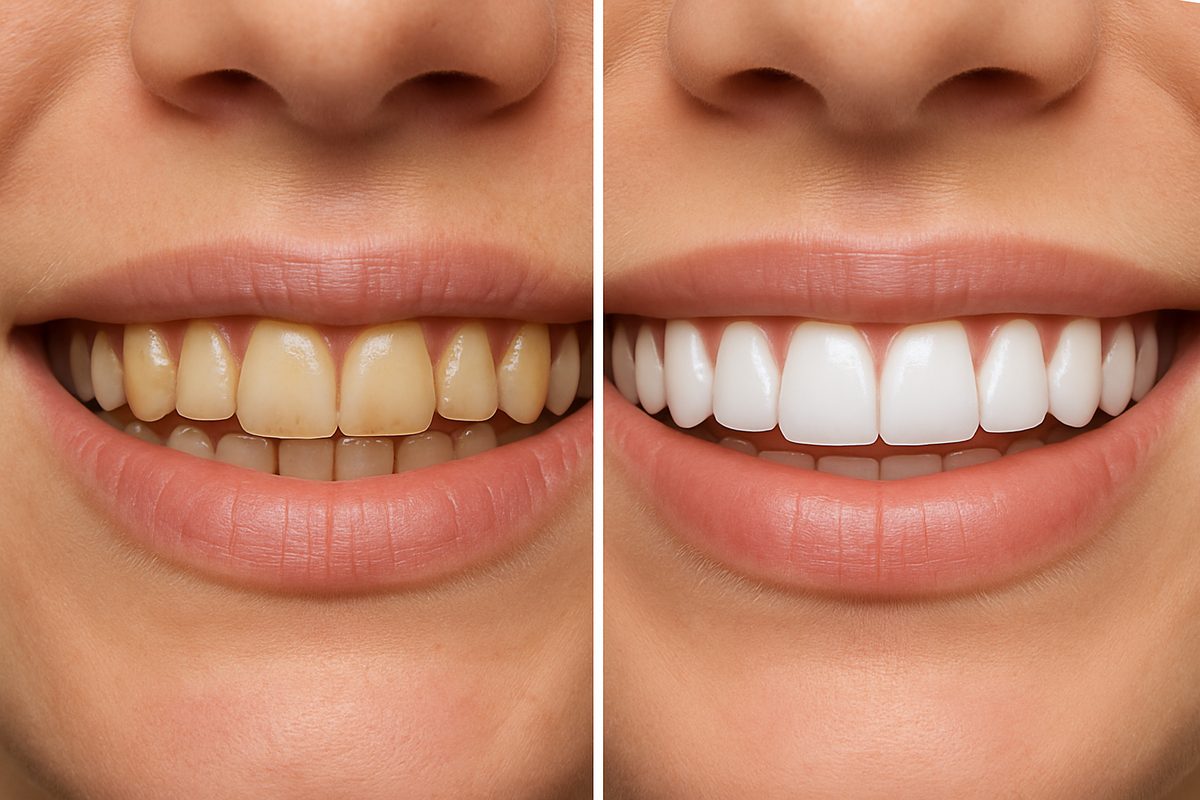
Veneers are thin shells bonded to the front of teeth to improve color, shape, and alignment. This post explains the long term effects of veneers so you know what to expect years after treatment. We’ll cover types of veneers, short- and long-term changes, how to protect your investment, when repairs or replacements are needed, and questions to ask before you commit.
What are the main types of veneers?
Porcelain veneers are made from strong, stain-resistant ceramic. They are crafted in a lab and typically last 10–15 years or longer with good care. Composite veneers are made from tooth-colored resin applied and shaped in the office. They cost less and can be repaired easily, but usually last 5–7 years and are more prone to staining and wear.
Short-term benefits and risks
Immediate aesthetic and functional improvements
Veneers can instantly brighten and reshape your smile. They provide consistent color, improved tooth proportions, and small bite adjustments that make chewing and speech feel more normal soon after placement.
Early risks to watch for
Right after placement you may notice sensitivity to hot or cold, minor gum irritation, or slight soreness. These usually fade within days to weeks as tissues adjust. If sensitivity persists or pain is severe, contact your dentist.
Common long term effects of veneers
Durability: chipping, cracking, and wear
Over years, normal chewing and habits like teeth grinding can cause chips or cracks. Porcelain resists wear better than composite, but no veneer is indestructible. Heavy bruxism greatly shortens lifespan and raises risk of fractures.
Color stability and staining
Porcelain veneers resist staining and keep their shade longer. Composite veneers can absorb stains from coffee, red wine, and smoking and may need polishing or replacement sooner to restore color.
Tooth sensitivity and enamel changes
Preparing a tooth for a veneer removes a small amount of enamel. Most patients do fine long term, but some experience mild, lasting sensitivity. Proper bonding and technique minimize this risk.
Gum health and recession
Gums can recede with age or poor oral hygiene, exposing veneer margins. This can cause a dark line near the gum and raise decay risk at the edge if not managed promptly.
How to reduce negative long term effects
Daily care: hygiene and diet
Brush twice daily with a non-abrasive toothpaste, floss daily, and limit stain-causing foods and drinks. Avoid whitening pastes that can scratch composite surfaces.
Protective habits
If you grind your teeth, wear a night guard. Avoid using teeth to open things, and skip nail or pen biting. Use a sports guard for contact activities.
Regular dental checkups and maintenance
See your dentist every 6 months for cleanings and exams. Regular polish and margin checks catch issues early and extend veneer life.
When repairs or replacements are needed
Signs that a veneer needs attention
Look for persistent sensitivity, visible chips, dark lines at the gum margin, looseness, or a change in bite. These signs mean you should see your dentist.
Repair vs replace: what to expect
Small composite chips can sometimes be repaired quickly. Porcelain repairs are limited; often the best option is replacement of the affected veneer to restore function and esthetics.
Questions to ask before getting veneers
Ask about expected longevity, materials used, how much tooth preparation is required, costs for future maintenance, and what warranties or follow-up care are offered.
About West Dentistry and how they address long term veneer outcomes
West Dentistry in Jacksonville, Florida focuses on cosmetic and restorative care using digital planning, quality materials, and coordinated treatment. Their team emphasizes conservative preparation, modern porcelain options, and long-term maintenance plans to reduce the common long term effects of veneers in Jacksonville, Florida.
How to get started
Schedule a consultation to review options, see digital previews, and make a personalized plan. A brief visit can clarify longevity expectations, costs, and next steps for veneers or alternative treatments.