
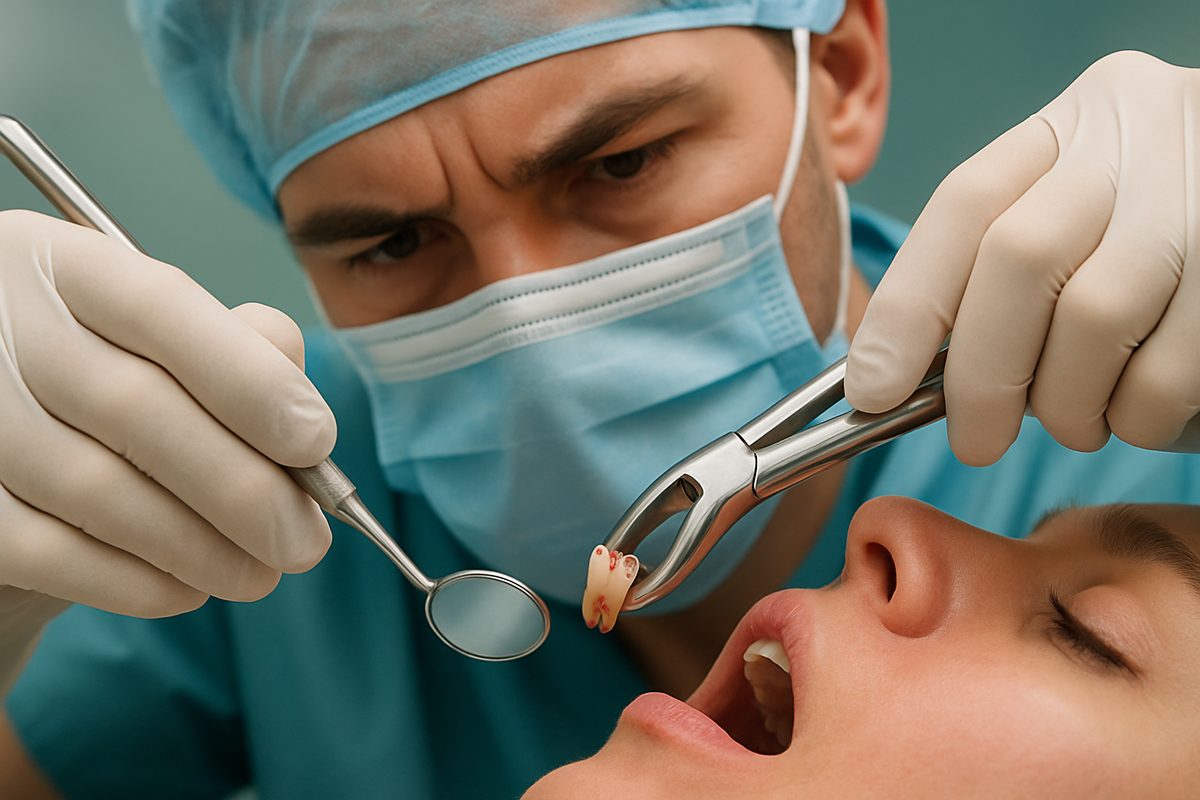
Considering a tooth extraction for implant? This post explains when removing a tooth is necessary before implant placement, the choices between immediate and delayed implants, common procedures that support successful implants, and what to expect during recovery. If you’re exploring tooth extraction for implant in Jacksonville, FL, you’ll also find practical next steps and how to get a personalized plan.
When Is a Tooth Extraction for Implant Necessary?
A tooth extraction for implant is usually needed when a tooth cannot be saved or would compromise the implant outcome. Common indicators include:
- Untreatable decay that destroys most of the tooth
- Active infection or severe abscess around the root
- Severe fracture of the tooth below the gum line
- Failed root canal with persistent problems
- Poor restorative prognosis where rebuilding the tooth is unlikely
Some teeth can be saved with crowns, root canals, or other treatments. A careful exam and imaging determine whether extraction is the best path or if restoration is possible.
Immediate vs. Delayed Implants: Which Is Right?
Immediate implant placement
Immediate placement means the implant is placed at the same appointment as the extraction. Benefits include fewer surgeries, a shorter overall timeline, and often better preservation of bone and gum shape. Immediate implants are appropriate when infection is controlled, there’s enough healthy bone, and the site is stable. Your dentist will assess bone quality with digital imaging to see if immediate placement is a safe option for tooth extraction for implant in Jacksonville, FL.
Delayed implant placement
Delayed placement means the extraction site heals before an implant is placed. This approach is chosen when there is active infection, significant bone loss, or the socket needs time to heal after grafting. Typical healing windows range from 8 to 16 weeks, and sometimes longer if bone grafting was required. Delayed implants can give a stronger foundation for long-term success.
Common Procedures Done With Extractions Before Implants
Socket preservation and bone grafting
After an extraction, bone can shrink. Socket preservation or bone grafting replaces lost bone and maintains volume for an implant. Grafts use donor material, synthetic grafts, or the patient’s own bone. Bone grafting can delay implant placement by several months but improves the chance of a stable, long-lasting implant.
Soft tissue management and temporary restorations
Gum shape (contour) matters for esthetics, especially in front teeth. Dentists may perform soft tissue shaping or place temporary crowns/bridges to preserve gum form while the site heals. Temporary restorations let you chew and smile during the healing phase and help the final implant crown look natural.
What to Expect During a Tooth Extraction for Implant in Jacksonville, FL
A typical appointment flow for a tooth extraction for implant in Jacksonville, FL usually includes:
- Exam with digital X-rays or 3D imaging and intraoral scans
- Discussion of anesthesia options—local, nitrous oxide, or IV sedation
- Tooth extraction and any necessary cleaning of infected tissue
- Socket grafting if needed, and placement of a protective membrane
- Temporary restoration if indicated
Initial soft-tissue healing often takes 1–2 weeks. If no graft is placed and an immediate implant is done, integration of the implant can take 3–6 months. With grafting and delayed placement, full treatment may take several months to allow for bone maturation.
Risks, Recovery, and How to Reduce Complications
Risks after a tooth extraction for implant include infection, dry socket, swelling, bleeding, and delayed healing. To reduce complications:
- Follow all post-op instructions closely (oral hygiene, diet, activity)
- Take prescribed antibiotics and pain medications as directed
- Avoid smoking and tobacco—smoking significantly raises failure risk
- Attend follow-up visits for monitoring and any suture removal
Contact your team if you have increasing pain, fever, persistent bleeding, or unusual swelling.
Cost, Insurance, and Financing Options
Costs for a tooth extraction for implant vary by case. Factors include whether bone grafting is required, immediate versus delayed implant timing, the number of implants, and type of final restoration. Many dental insurances cover part of an extraction but typically limit implant coverage. Common financing options include in-office payment plans, third-party medical/dental lenders, and healthcare credit cards to spread out the cost.
Why Choose a Team With On-Site Surgical Care
Choosing a practice with on-site surgical care can streamline treatment and reduce referrals. West Dentistry in Jacksonville offers digital imaging, intraoral scanning, and an on-site surgical suite that allows extractions, grafting, and implant placement to be coordinated in one place. Dr. Jacqueline West works with on-site oral surgeon Dr. Victor Erminy to plan care, which helps keep timelines predictable and improves communication for better outcomes.
How to Get a Personalized Plan
If you’re wondering whether a tooth extraction for implant in Jacksonville, FL is right for you, schedule a consultation. A personalized exam with digital imaging will show your options, likely timeline, and estimated costs. Ask about financing and whether immediate or delayed implant placement is best for your case. Call West Dentistry or book online to get a tailored plan and clear next steps.